The cabinetmaker’s hands moved with a quiet, practiced reverence, each pass of the hand plane shaving off a whisper-thin ribbon of figured walnut. In the many months I have spent in softly lit workshops, conversing with the master artisans behind heirloom furniture, I’ve discovered that true luxury is rarely about what you see at first glance. It’s about the hundreds of unseen hours, the quiet decisions made in fractions of millimeters, and the profound respect for material that most of us never have the privilege to witness.
As a design professional immersed in the world of luxury interiors, I’ve seen that a truly exceptional wood kitchen island is far more than a workstation. It is the architectural soul of the kitchen, an investment piece that should not bow to fleeting trends. It must possess a certain gravitas, a silent story of its own making that speaks to considered choices and an appreciation for what is real and enduring. This article is your guide to understanding that story. We will journey through the twenty critical insights—from the soul of the timber itself to the artistry of its preservation—that elevate a simple furnishing into a timeless legacy.
Part 1: The Foundations of Enduring Design
Before a single piece of wood is cut, the foundation for a masterpiece is laid through thoughtful conception and the discerning selection of materials. This is where foresight and an appreciation for substance over spectacle create an object of lasting value.
1. Mastering Architectural Dialogue
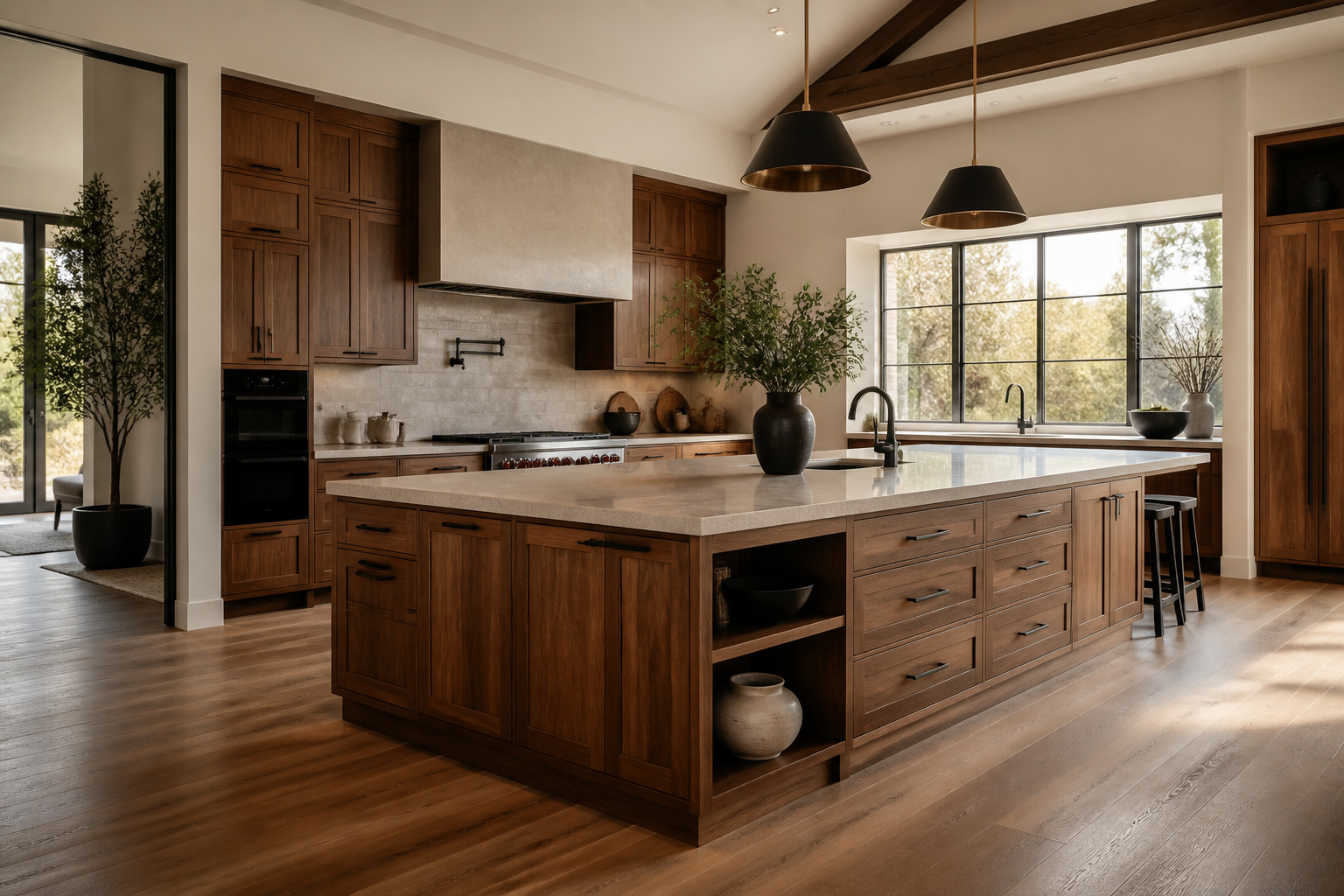
An exceptional kitchen island doesn’t simply occupy a space; it must converse with the room’s architecture. What I’ve learned from years of professional experience in high-end interior design is that proportion is the silent arbiter of flow and feeling. An island that is too grand, for all its fine materials, becomes an obstacle, disrupting the kitchen’s natural rhythm. One that is too modest feels lost, failing to provide the anchor the room requires.
We begin by establishing graceful pathways, ensuring clearances of at least 42 inches around working areas for comfortable movement. We consider the vertical space—a room with soaring ceilings can embrace a more substantial, multi-level island, while a lower ceiling calls for a design with a lighter visual footprint. The goal is to create a piece that feels not just added, but entirely integrated, as if it were part of the home’s original blueprint.
2. Sourcing Heirloom-Quality Woods
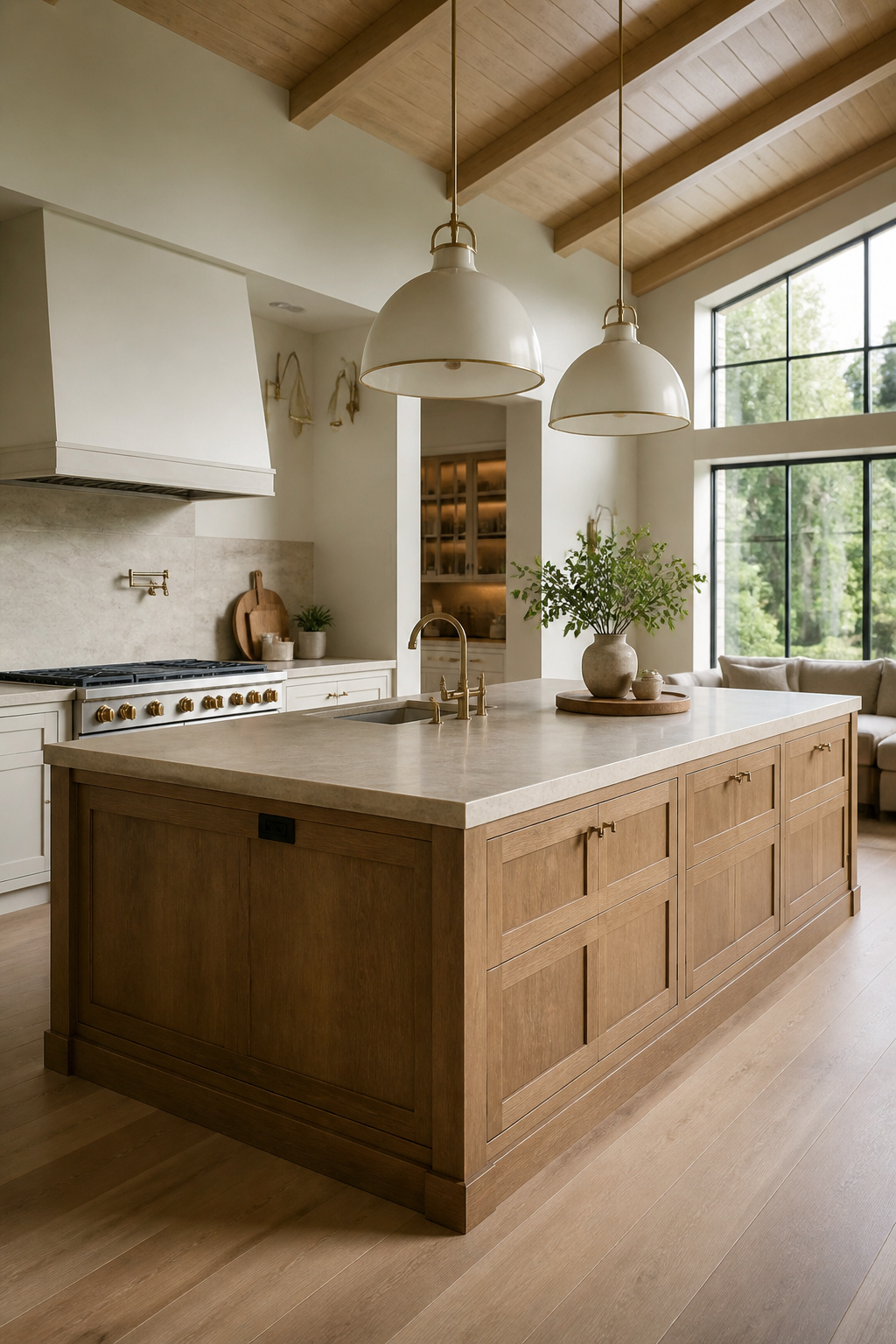
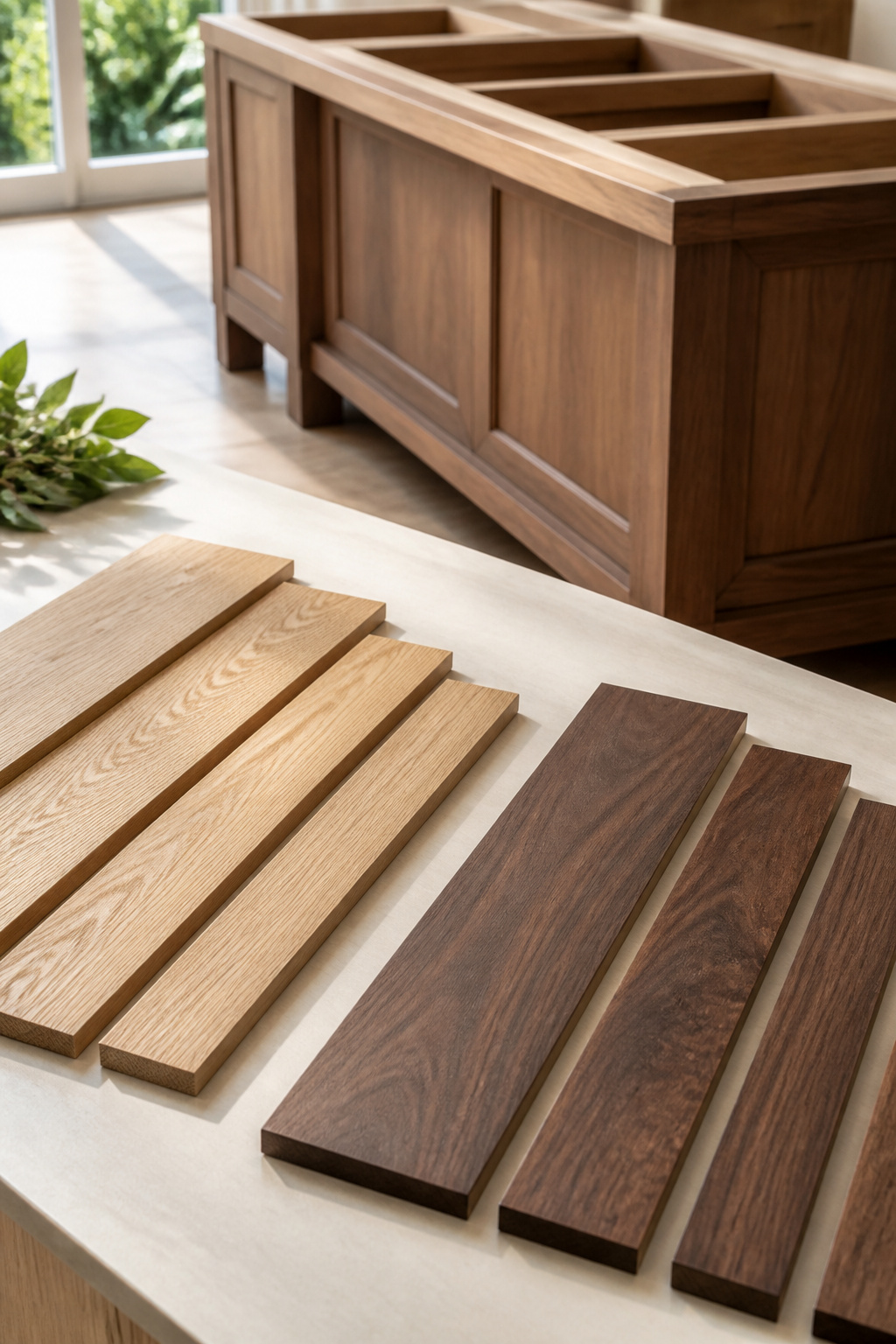
The soul of your island resides in its timber. This choice is an investment in the future, selecting a species not just for its beauty today, but for the magnificent patina it will acquire over decades of life. For butcher-block applications, the dense, creamy grain of Hard Maple offers unmatched durability. For warmth and character, nothing compares to American Black Walnut, with its rich, deep chocolate tones and dramatic grain that makes every piece unique.
Cherry is another magnificent choice, revered for the way it deepens from a pale pinkish tone to a profound reddish-brown with exposure to light—a beautiful, living transformation. And, of course, White Oak provides a timeless strength and classic character that anchors any design, from the traditional to the starkly modern. What I always emphasize to my clients is the importance of sourcing; understanding the timber’s provenance and sustainable origins adds a layer of integrity to the investment.
3. Choreographing the Daily Workflow
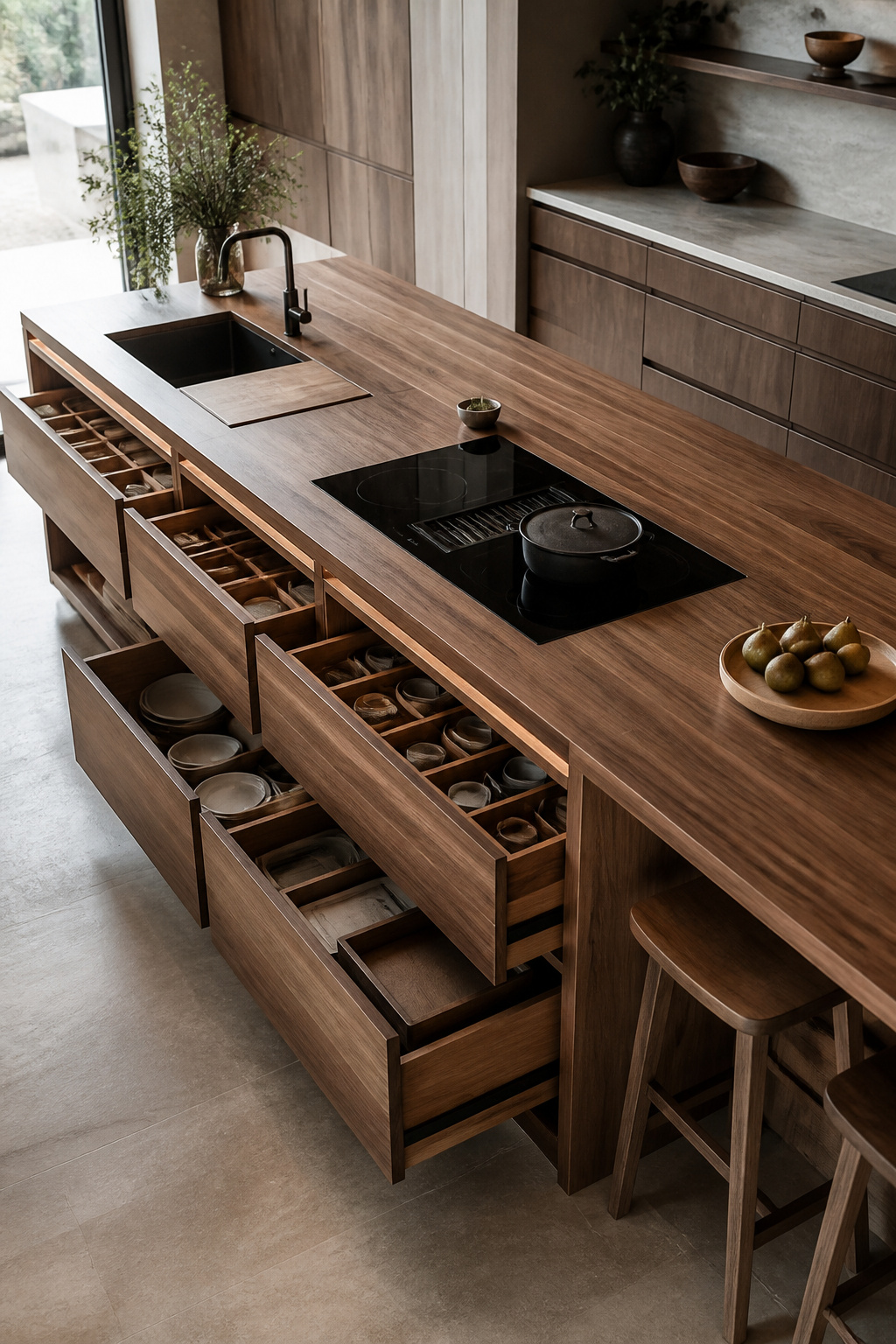
Beyond its beauty, an island must be a masterpiece of efficiency. This is where we forecast its functional demands, choreographing the daily ballet of chopping, cooking, cleaning, and gathering. We move beyond the simple “work triangle” to consider distinct zones. Where will you do your primary prep work? Does the flow merit a secondary prep sink? How can waste and recycling be managed discreetly yet conveniently?
This is where true custom design reveals its worth. We can integrate warming drawers, a wine refrigerator, or deep drawers perfectly scaled for your cookware. The overhang for seating must be considered for both ergonomic comfort and visual balance. This meticulous planning ensures that every square inch is optimized, making daily routines feel not just easy, but graceful.
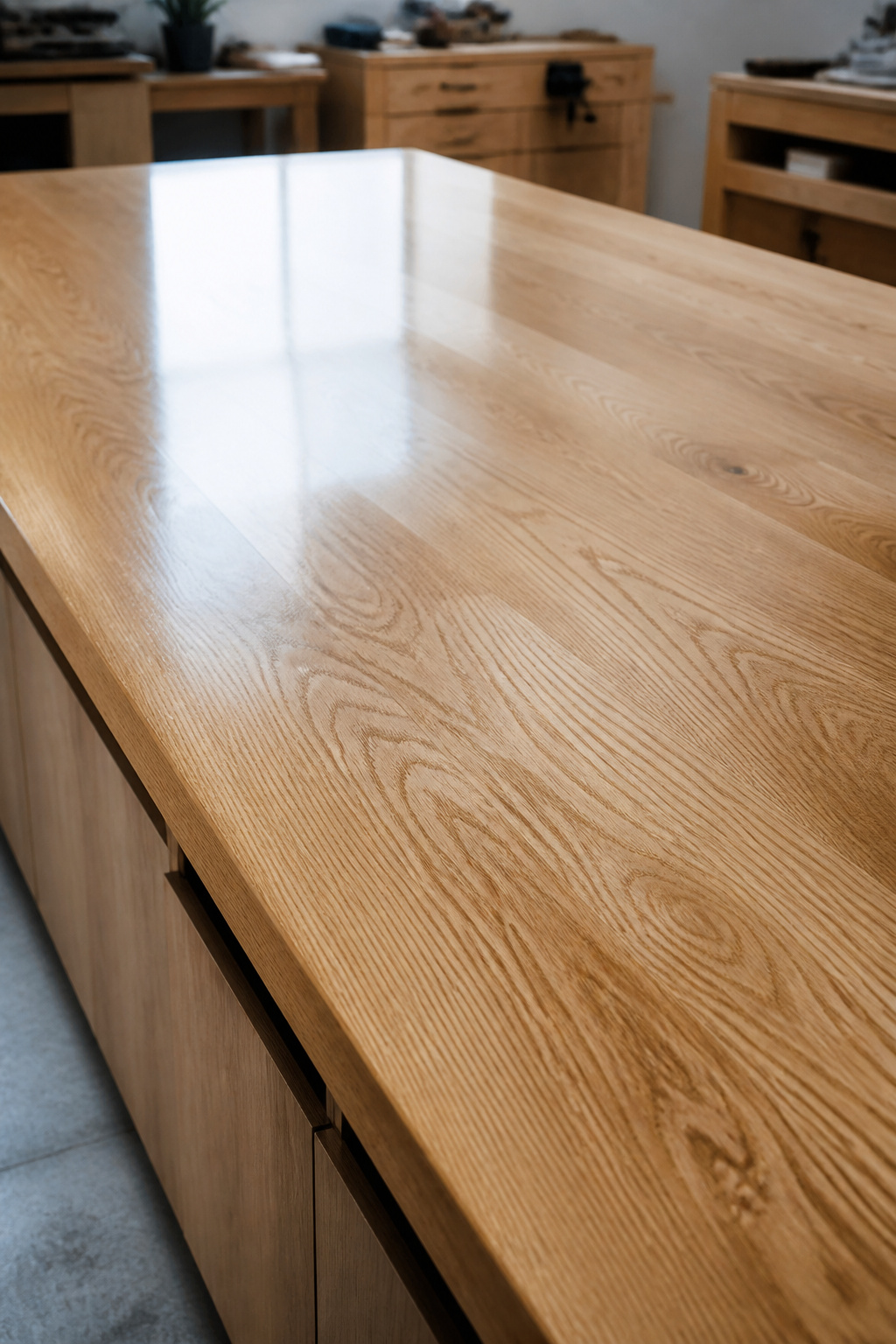
4. The Alchemy of a Protective Finish
The finish is the island’s protective embrace—the final, critical element that shields the wood while enhancing its natural voice. This is not a one-size-fits-all decision. An oil finish, for example, penetrates the wood fibers, offering a warm, matte appearance that feels incredibly natural to the touch. It allows the wood to breathe and is easily spot-repaired, making it ideal for those who appreciate a living finish that patinas with use.
Conversely, a high-performance catalyzed varnish creates a durable film over the surface, providing superior protection against spills and wear. This is a more practical choice for families or high-use environments where resilience is paramount. For any surface intended for direct food prep, a food-safe mineral oil and beeswax conditioning is non-negotiable. The right finish is an alchemical choice, one that preserves the timber’s integrity while celebrating its unique tactile beauty.
5. The Unseen Strength of Bespoke Joinery
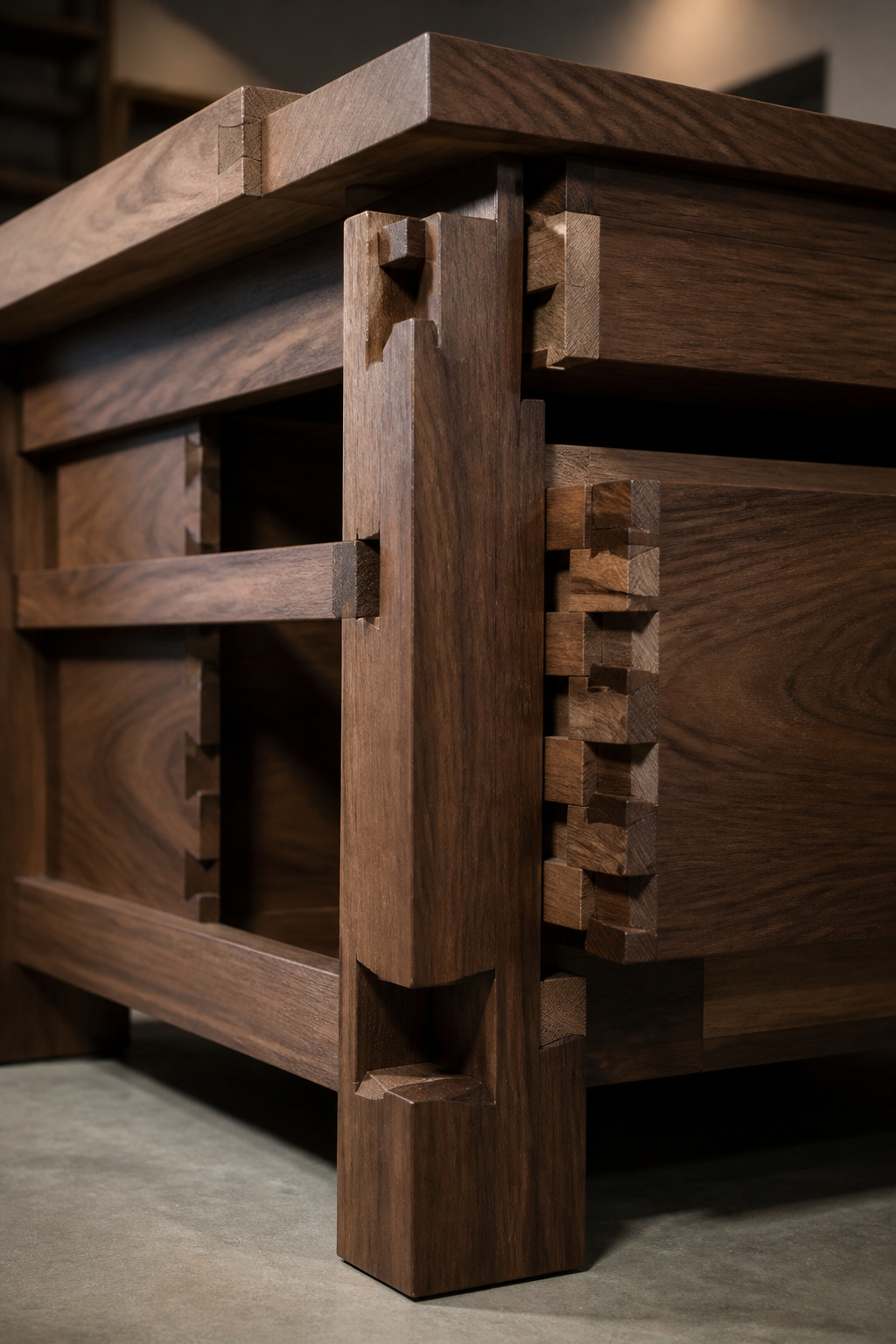
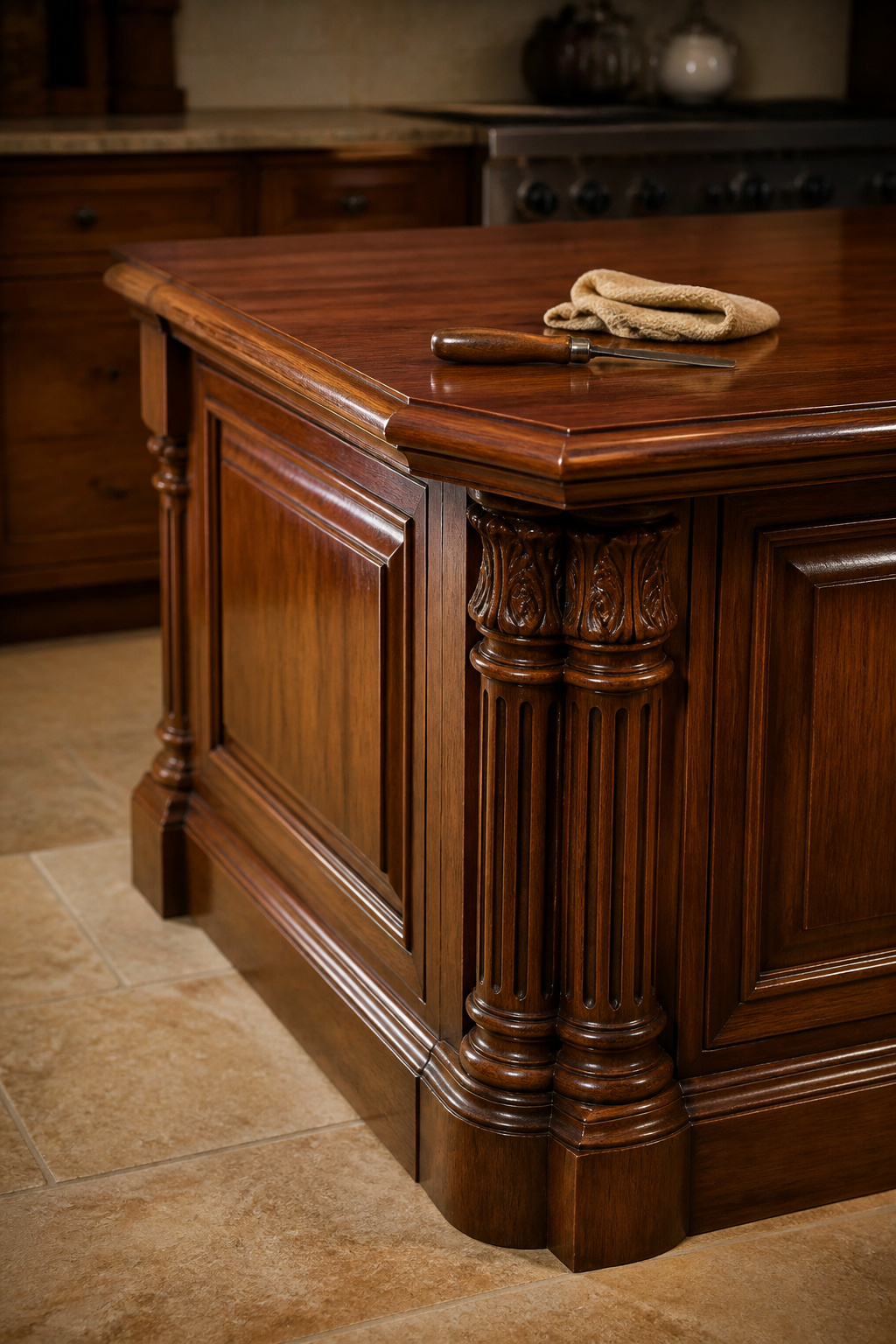
The true sign of quality craftsmanship is often hidden from view. While lesser pieces are held together with screws and staples, a genuine heirloom is united through the timeless art of joinery. This is where wood is intelligently interlocked with wood, creating bonds that strengthen under pressure and last for generations. Frankly, this is where the real investment lies.
Look for the subtle, elegant lines of dovetail joints in the drawer boxes—a mark of uncompromising quality and strength. The frame of the island should be constructed with mortise and tenon joints, a method used for centuries to create unyielding furniture. This level of construction allows the wood to naturally expand and contract with humidity changes without cracking or warping. It is a silent testament to the artisan’s skill and a guarantee of the piece’s longevity.
Part 2: The Art of Bespoke Creation
From the artisan’s workshop to your home, this stage is a dance of precision and artistry. It is where a shared vision is translated into a tangible object, thoughtfully integrated with the functional and aesthetic needs of the modern kitchen.
6. Collaborating with Master Artisans
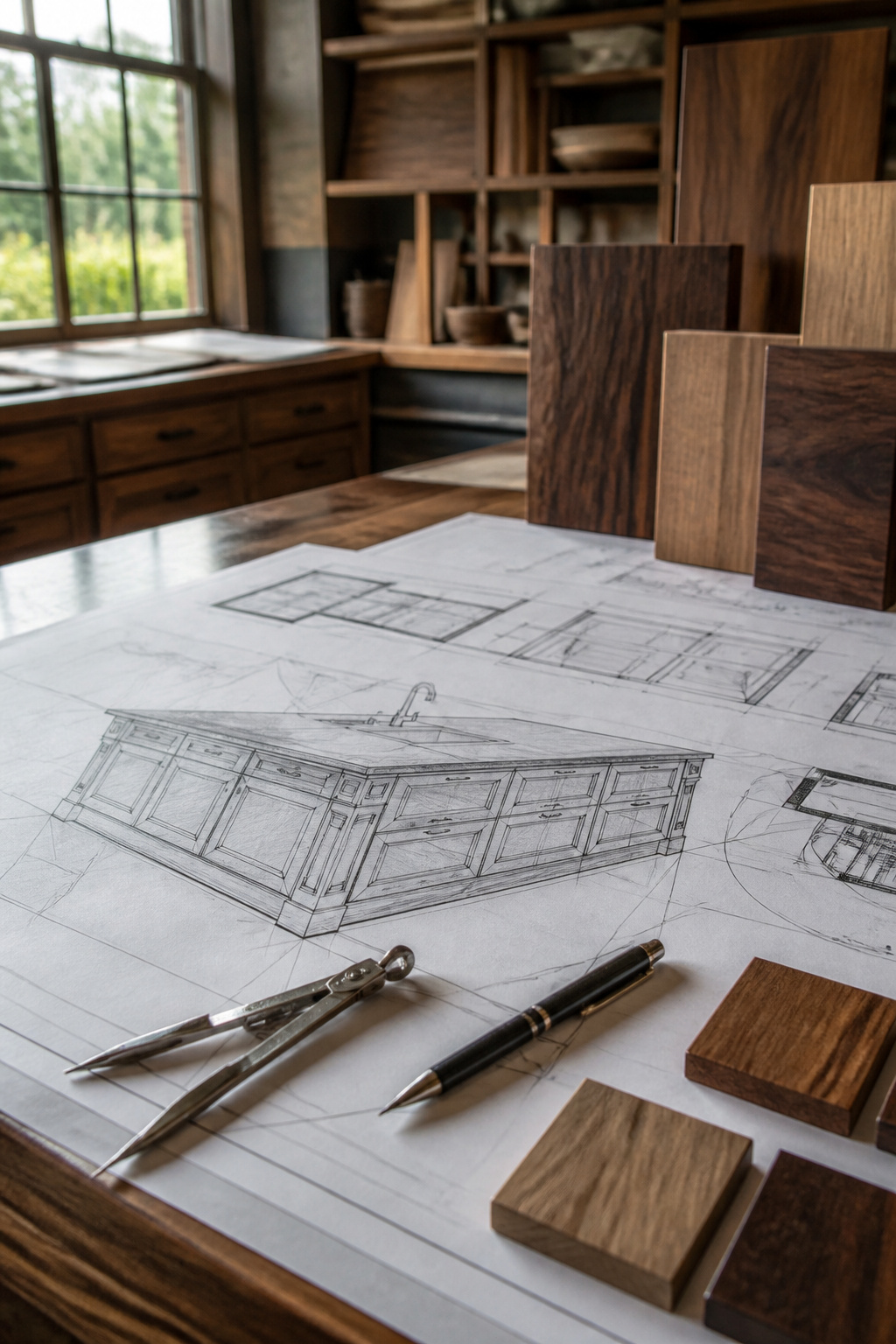
The journey from a simple idea to an exceptional piece of furniture begins with a conversation. Working with a master artisan is a collaborative process, translating your lifestyle and aesthetic preferences into a workable blueprint. In my design practice, I find these initial meetings are critical. We discuss not just looks, but rituals: Do you entertain often? Are you a passionate baker? This is where the design develops its soul.
An experienced craftsman will offer insights you may not have considered, such as the orientation of the wood grain for visual harmony or the subtle ergonomic tweaks that make all the difference. This collaboration ensures the final design is not just a beautiful object, but a deeply personal piece that is a true reflection of its owner and is built to serve their life perfectly.
7. Integrating Elegant Countertop Surfaces
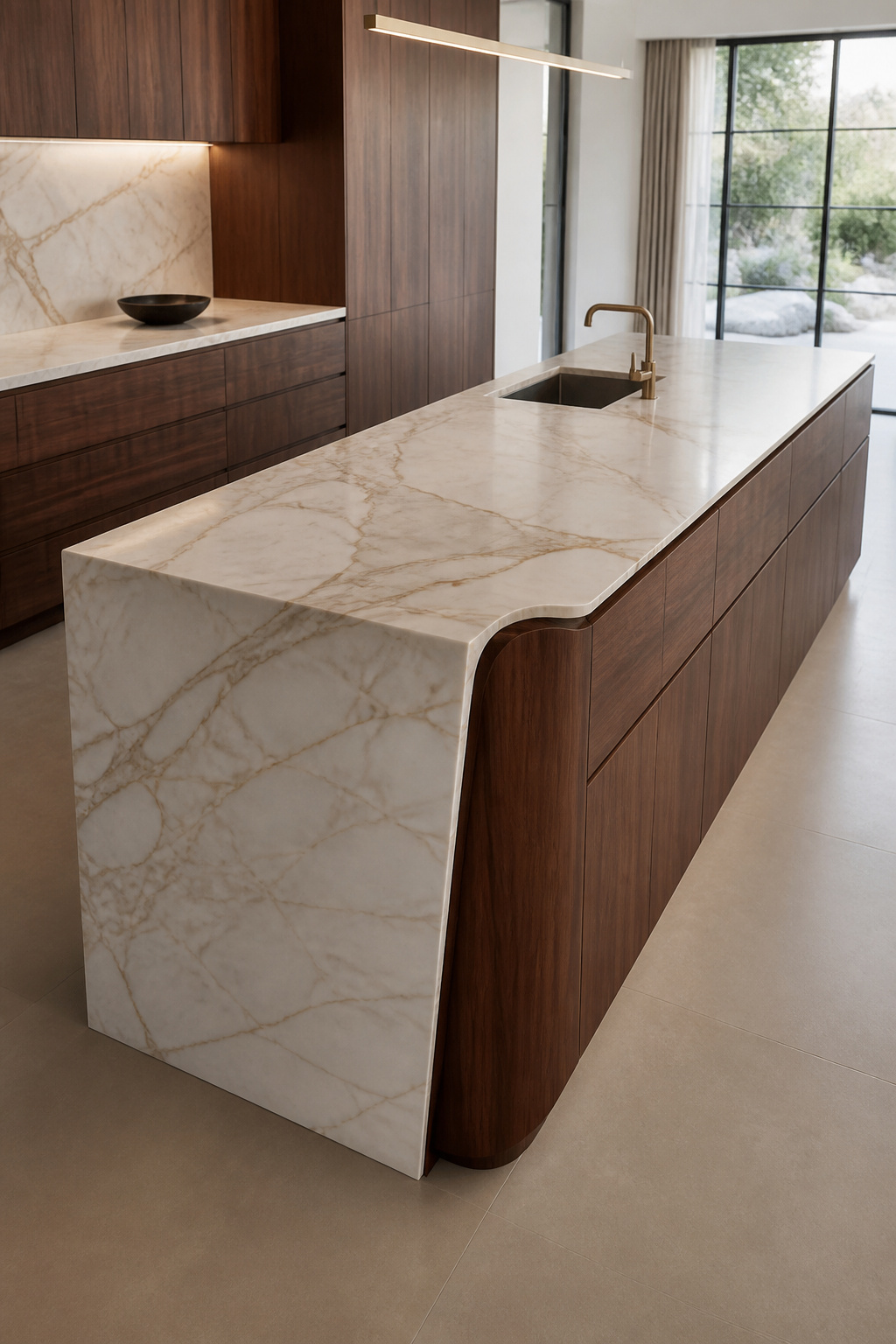
The countertop is the crowning gesture of the island, a surface that must balance beauty with unyielding practicality. While an all-wood island is beautiful, pairing the timber base with another material often creates a sophisticated and functional juxtaposition. A honed marble or quartzite brings a timeless, organic elegance, though it requires diligent care. For those seeking robust performance, high-quality quartz offers a non-porous and incredibly durable alternative.
The key is to create harmony between the countertop and the wood. A cooler stone like Carrara marble pairs beautifully with the rich warmth of walnut, creating a classic, elegant contrast. I’ve noticed that the edge profile is a detail that often gets overlooked. A simple eased edge offers a clean, modern line, while a more traditional ogee edge can add a touch of classic formality. This pairing is where color theory and material science meet.
8. Illuminating the Island with Intention
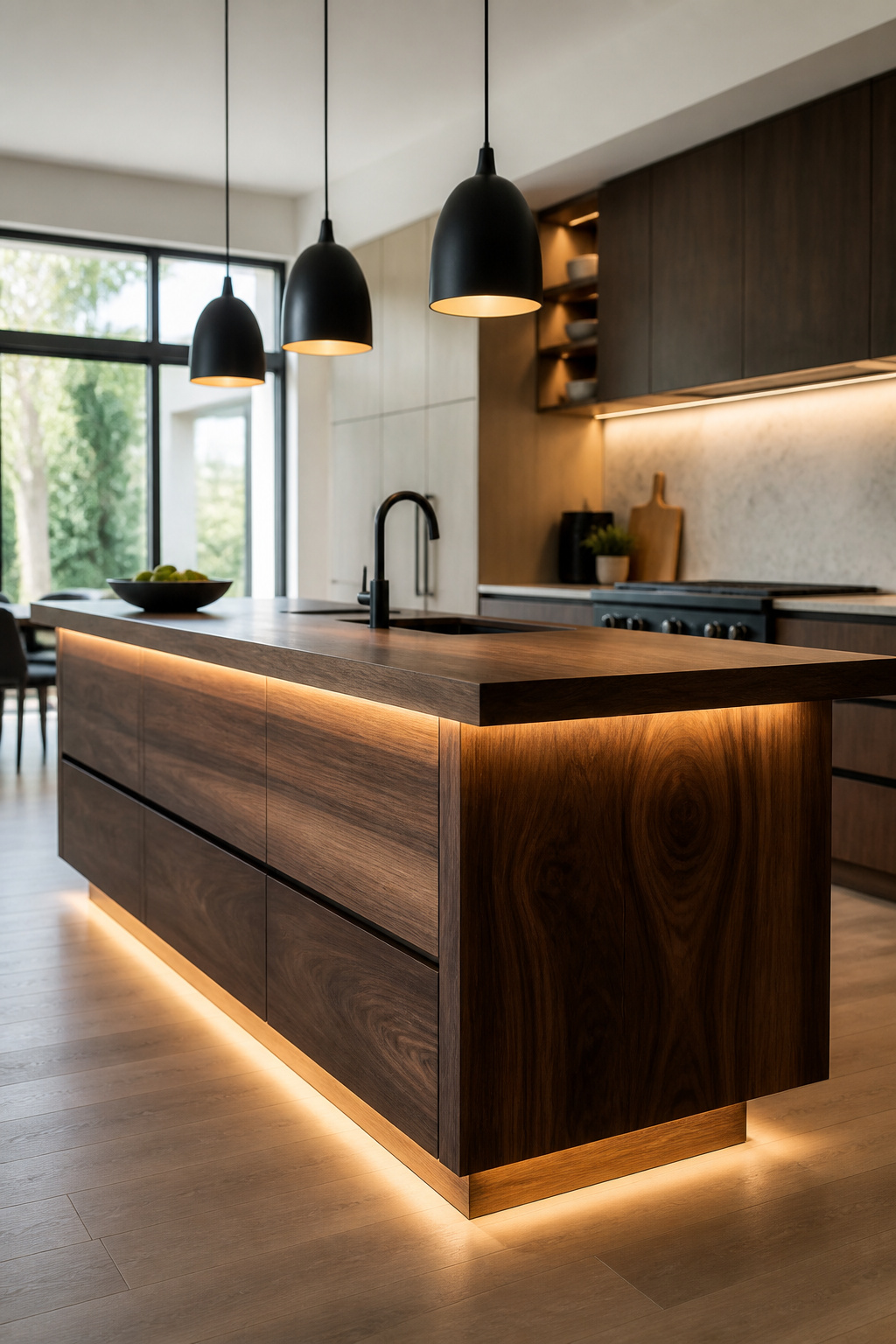
Lighting is not an accessory; it is an essential layer of design that shapes both function and mood. A well-lit island requires a multi-layered approach. First, you need focused task lighting—typically a pair or trio of pendants—positioned to illuminate the primary work surface without creating shadows or glare. Dimmers are not a luxury here; they are an absolute necessity, allowing you to transition from bright, functional light to a soft, ambient glow for entertaining.
Beyond pendants, consider adding a subtle, hidden source of ambient light. LED strips discreetly mounted under the countertop overhang can cast a beautiful, soft radiance that makes the island appear to float. This thoughtful approach ensures your island is not only a practical workstation but also a dramatic focal point, its beauty highlighted day and night.
9. Engineering the Art of Concealed Utility
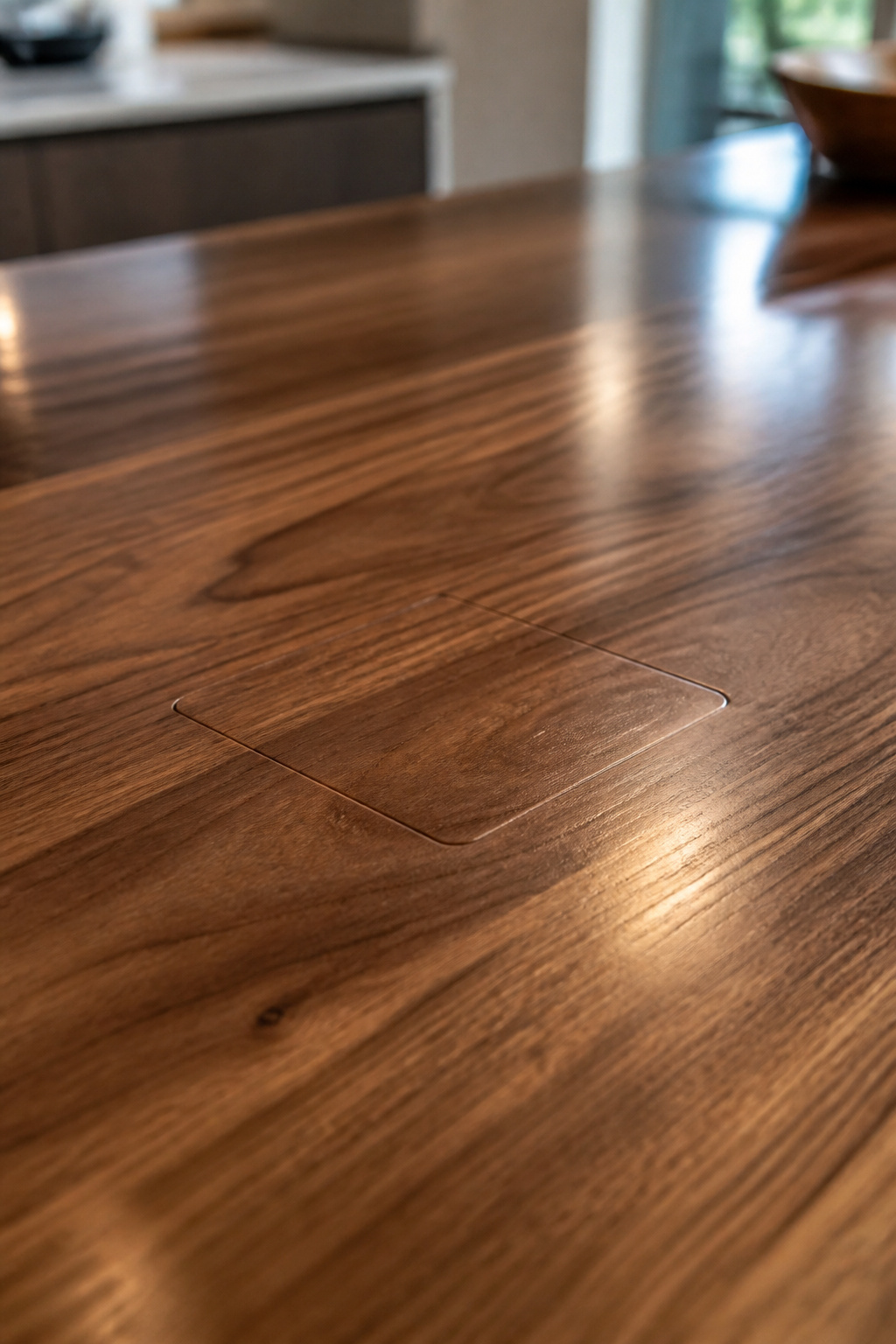
True luxury is effortless. This means engineering the modern conveniences we rely on to be seamlessly integrated and virtually invisible. Pop-up power outlets that sit flush with the countertop, charging drawers for devices, and discreetly integrated appliances maintain the island’s clean, uncluttered aesthetic. There’s nothing that disrupts a beautiful design more than a tangle of cords.
Working with your artisan, you can specify custom panels for a beverage cooler or dishwasher drawer, allowing them to disappear into the surrounding cabinetry. Sinks and faucets should be chosen not just for function, but for their sculptural quality. I learned this when designing a minimalist kitchen where we even hid the paper towel holder inside a custom pull-out. The goal is an island that serves your every need without ever revealing its secrets.
10. The Precision of Flawless Installation
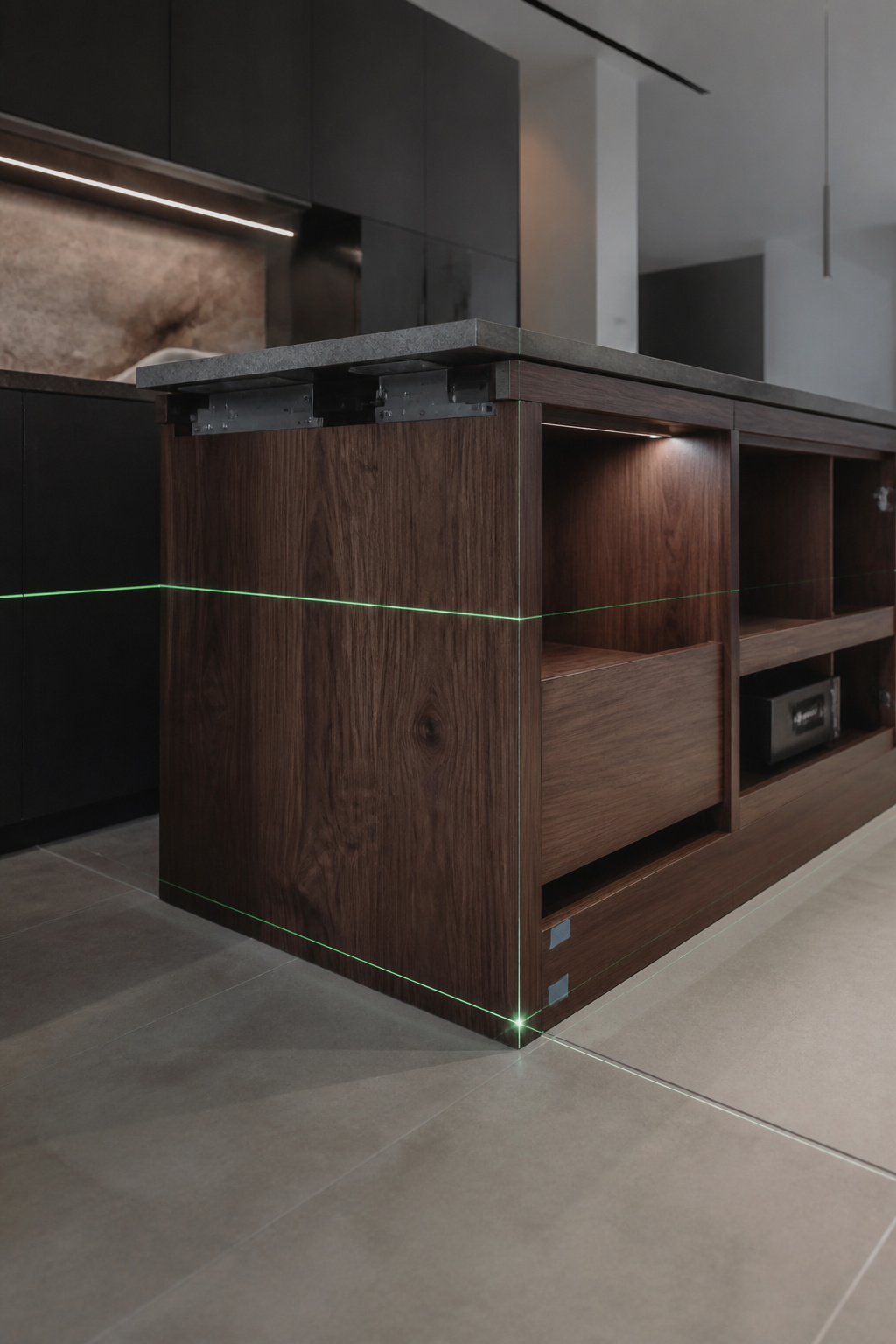
The final act of creation is the installation—a moment of precision that can make or break the entire project. An expert installation team understands that no home is perfect. Floors may not be perfectly level, and walls may have their quirks. A masterful installation involves scribing the piece to the wall for a seamless fit and meticulously leveling it to ensure absolute stability.
This is not a task for general contractors; it requires the finesse of a cabinetmaker. They will handle the integration of plumbing and electrical with care, ensuring every component is perfectly aligned and secure. When the team leaves, the island should feel as though it grew from the floorboards, an integral and unshakeable part of the home’s architecture.
Part 3: Curating a Sophisticated Hub
With the island perfectly crafted and installed, our focus shifts to curating its role as the social and aesthetic heart of the kitchen. These details transform it from a beautiful piece of furniture into a vibrant center of home life.
11. Designing Ergonomic Seating Enclaves
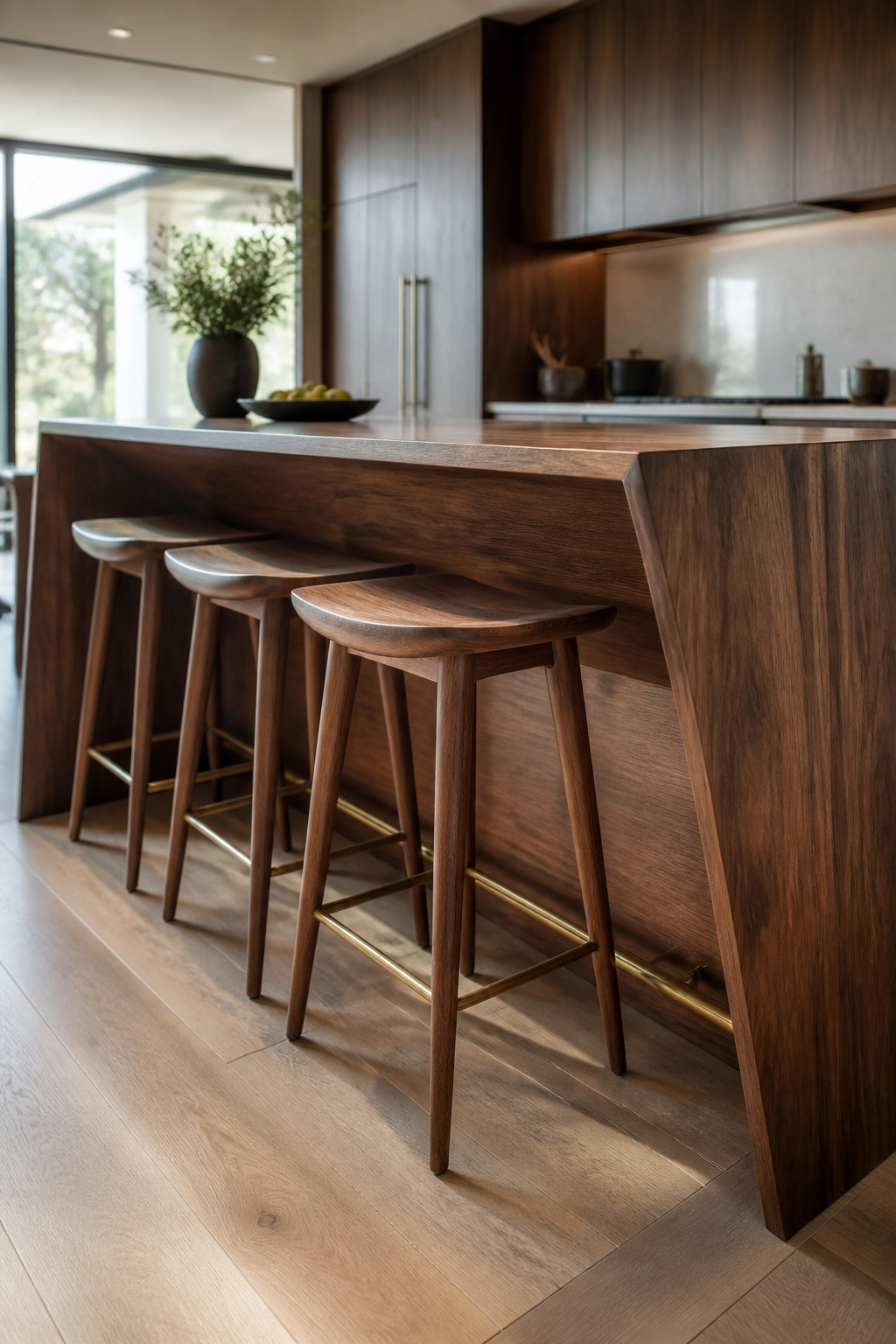
The island is a natural magnet for family and friends. Designing its seating requires as much thought as any other aspect. The relationship between counter height and stool height is critical for comfort; a standard 36-inch high counter pairs with stools that are 24-26 inches high, while a 42-inch bar requires 30-32 inch stools. Ensure the countertop overhang provides ample knee space—a minimum of 12-15 inches is ideal.
But beyond ergonomics, consider the conversational flow. Arranging seating around a corner, rather than in a straight line, encourages better interaction. I also advise my clients to choose stools that align with the island’s design language—whether that means the organic curve of carved wood, the clean lines of metal, or the comfort of upholstered leather.
12. Adorning the Surface with Textural Accents
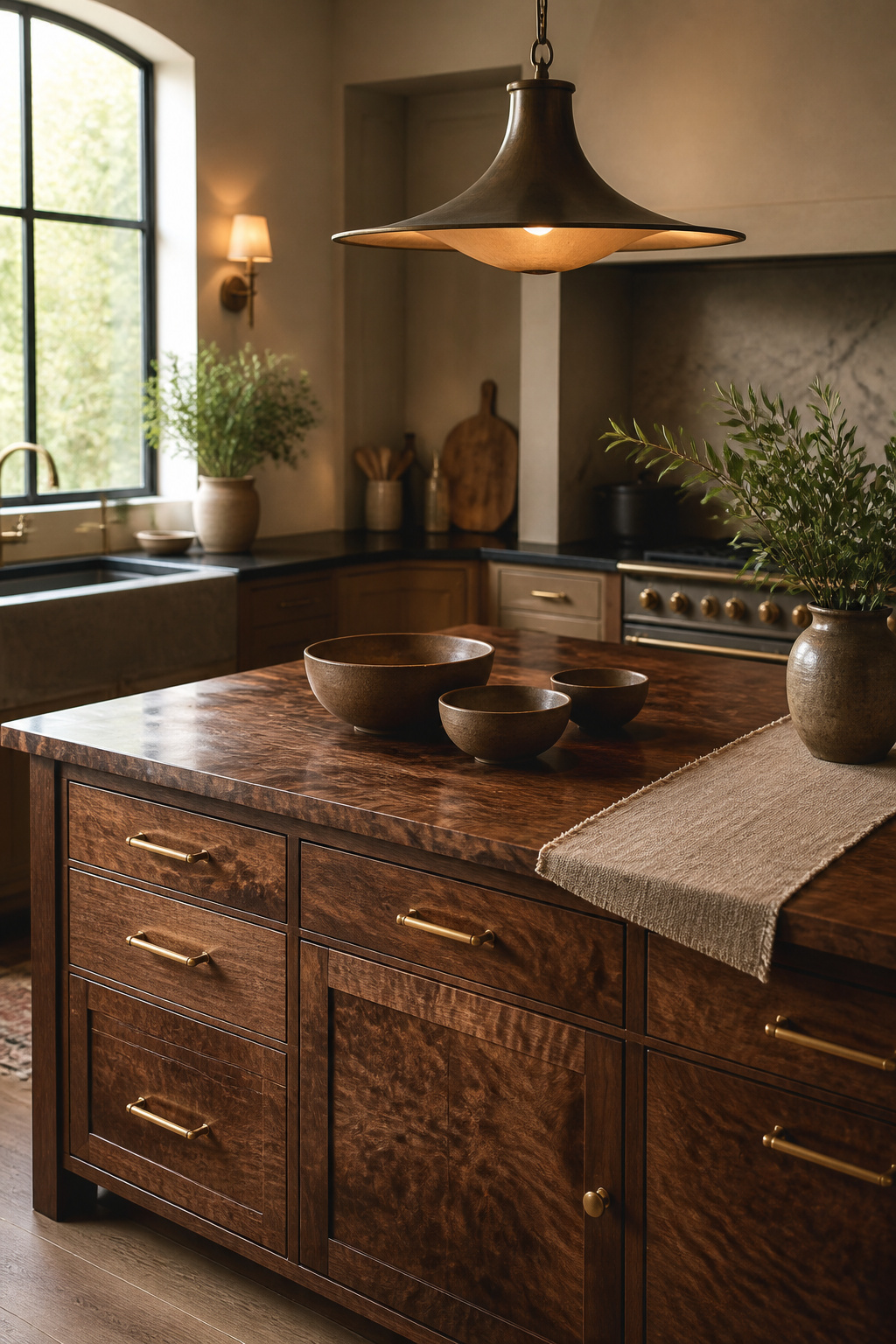
Think of the island’s surface as a canvas. Adorn it with intention, choosing a few high-quality pieces rather than creating clutter. A large, sculptural wooden bowl, an elegant vase with fresh branches, or a tray in a contrasting material like honed slate or brass can serve as a beautiful and functional anchor. These elements add a layer of texture and personality.
This is a place to exercise restraint. A stack of well-chosen cookbooks, a beautiful cruet for olive oil, or a small pot of fresh herbs adds life without overwhelming the beauty of the wood itself. The key is to select items that feel both personal and purposeful, enhancing the island’s role as the curated heart of the home.
13. Mastering the Virtuosity of Vertical Space
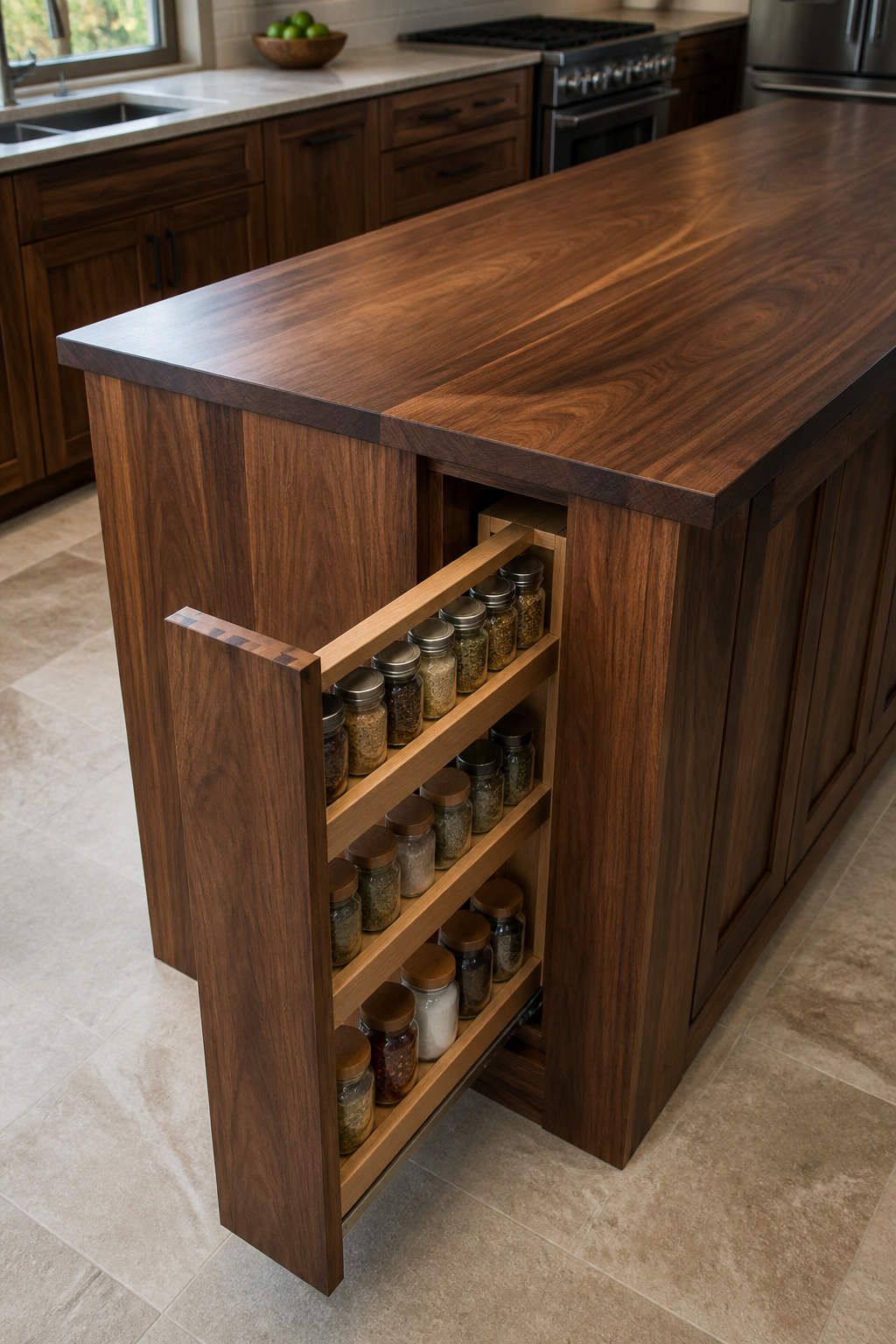
To maintain a clear and functional surface, one must master the art of vertical storage. A bespoke island offers endless possibilities for intelligent organization. Consider designing one end as a dedicated bookshelf for your culinary library or integrating narrow pull-out shelves for spices and oils. Glass-fronted cabinets can display cherished ceramics while keeping them protected.
This is where you can be truly innovative. From my work in high-end interior design, I’ve seen clever solutions like a “hidden” knife block that pulls up from the countertop or end panels designed with integrated racks for serving platters. Every detail should be considered to enhance accessibility and reduce surface clutter, keeping the island’s expansive surface ready for its next task.
14. Integrating Natural, Biophilic Elements
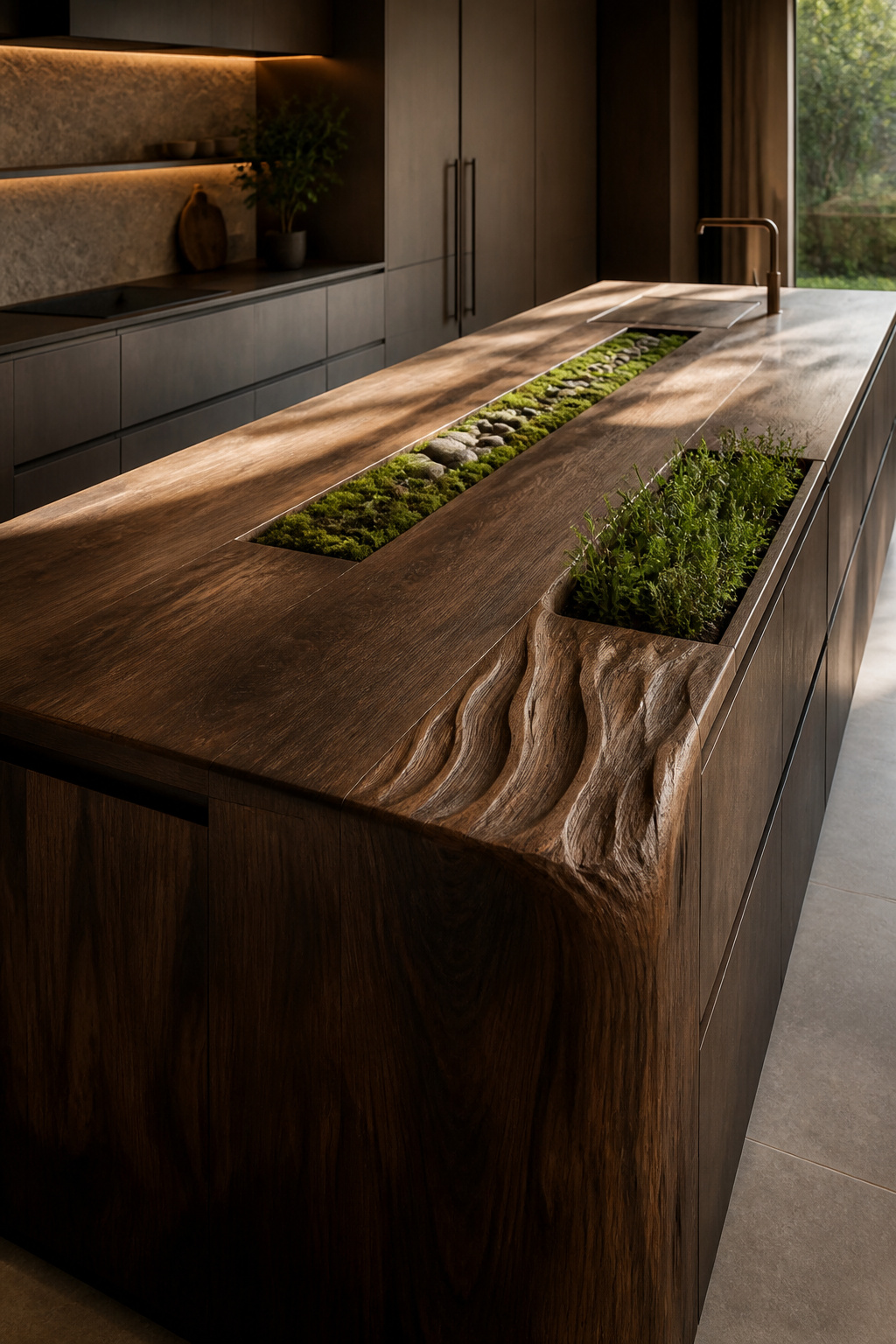
There is an inherent human need for connection to nature, and the kitchen is a perfect place to satisfy it. Known as biophilic design, the simple act of bringing living elements into a space has a profoundly calming effect. Your wood kitchen island, already an organic element, is the perfect stage for this.
A small collection of potted herbs in beautiful earthenware not only provides fresh ingredients but also adds vibrant life and fragrance. A simple branch of eucalyptus or magnolia in a tall vase brings in a touch of unruly, natural beauty. Even a bowl of seasonal fruit or vegetables serves this purpose, connecting the kitchen to the cycles of nature and reinforcing a sense of holistic well-being.
15. Harmonizing with an Ambient Scent Narrative
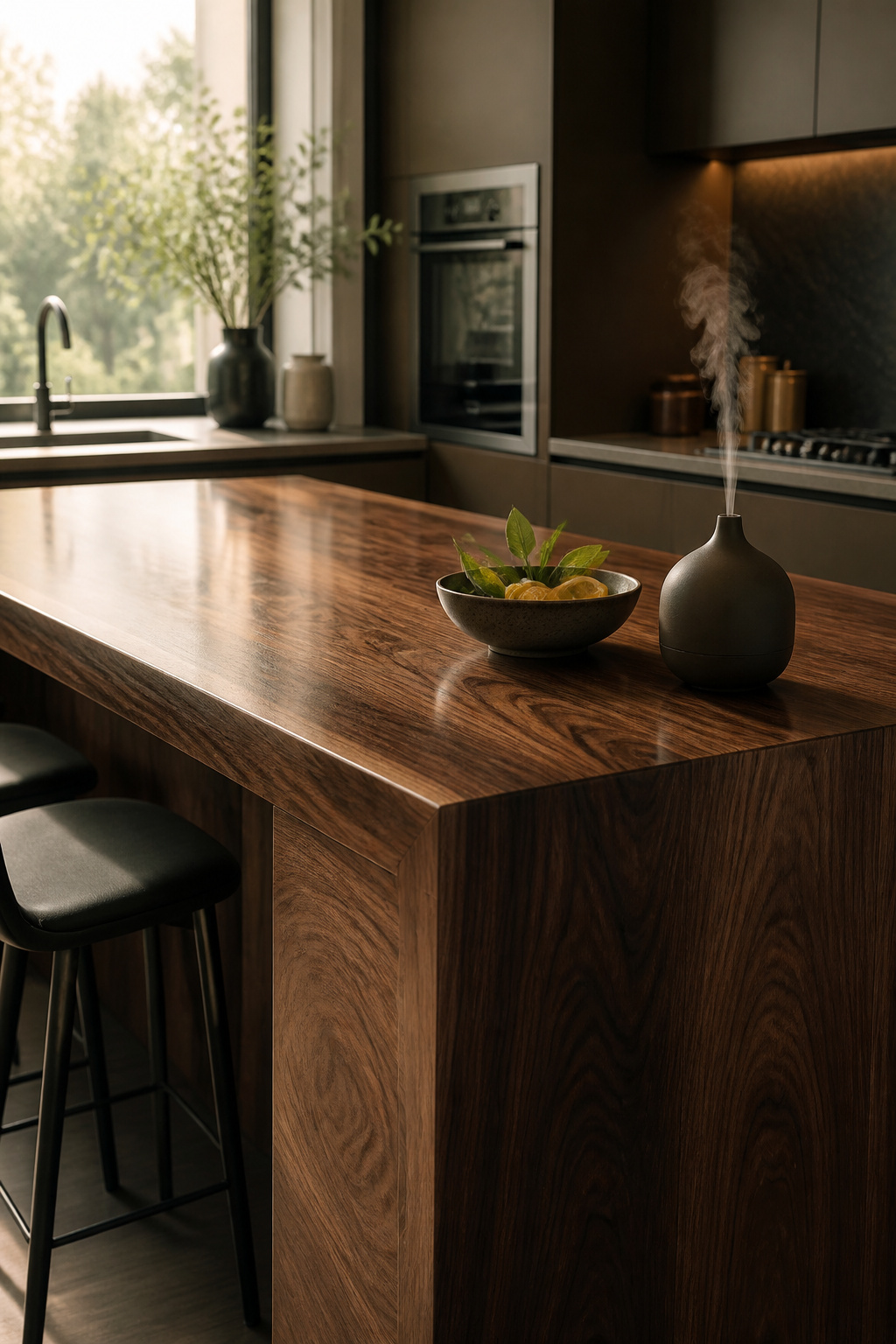
The most overlooked element of luxury design is often scent. A sophisticated home engages all the senses, and the kitchen’s ambient aroma should be as carefully considered as its color palette. Avoid synthetic plug-ins, which can be overpowering and clash with culinary smells. Instead, build a natural scent narrative.
Simmer a pot of water on the stove with citrus peels and cinnamon sticks, or place a high-quality essential oil diffuser with a subtle scent like rosemary or sandalwood in a discreet corner. A bundle of fresh herbs on the counter or a simple bowl of lemons releases a natural, clean fragrance. This final, invisible layer transforms the kitchen into a truly immersive and welcoming sanctuary.
Part 4: Preserving a Timeless Legacy
Your investment in a fine wood kitchen island is meant to last a lifetime and beyond. This requires a conscious partnership—a commitment to simple yet vital practices that will protect its integrity and allow it to age with grace and beauty.
16. Establishing a Vigilant Maintenance Regimen
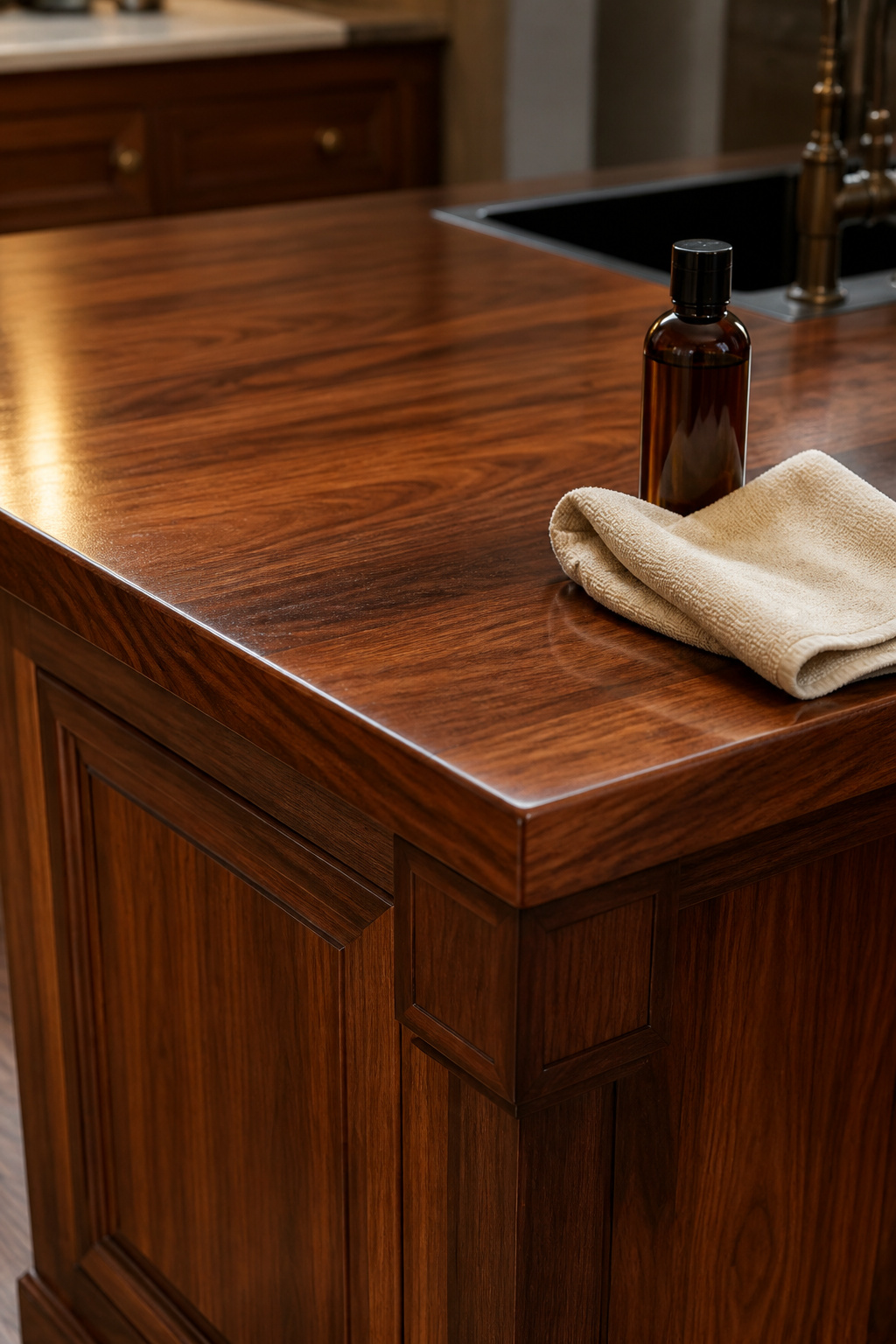
The most important practice for preserving your island is establishing a simple, consistent maintenance regimen. Wood is a natural material and requires gentle care. Wipe up spills immediately with a soft, damp cloth, and never use harsh, abrasive chemicals or scouring pads, which can damage the finish. For daily cleaning, a mild soap and water solution is all that is needed.
Depending on the finish, the wood will benefit from periodic conditioning. For oiled or butcher-block surfaces, a regular application of food-grade mineral oil will keep the wood hydrated and lustrous. For sealed surfaces, a quality furniture wax can offer an additional layer of protection. This isn’t a chore; it’s a ritual of care that takes mere minutes but adds years to the life of your island.
17. Protecting the Surface from Daily Rigors
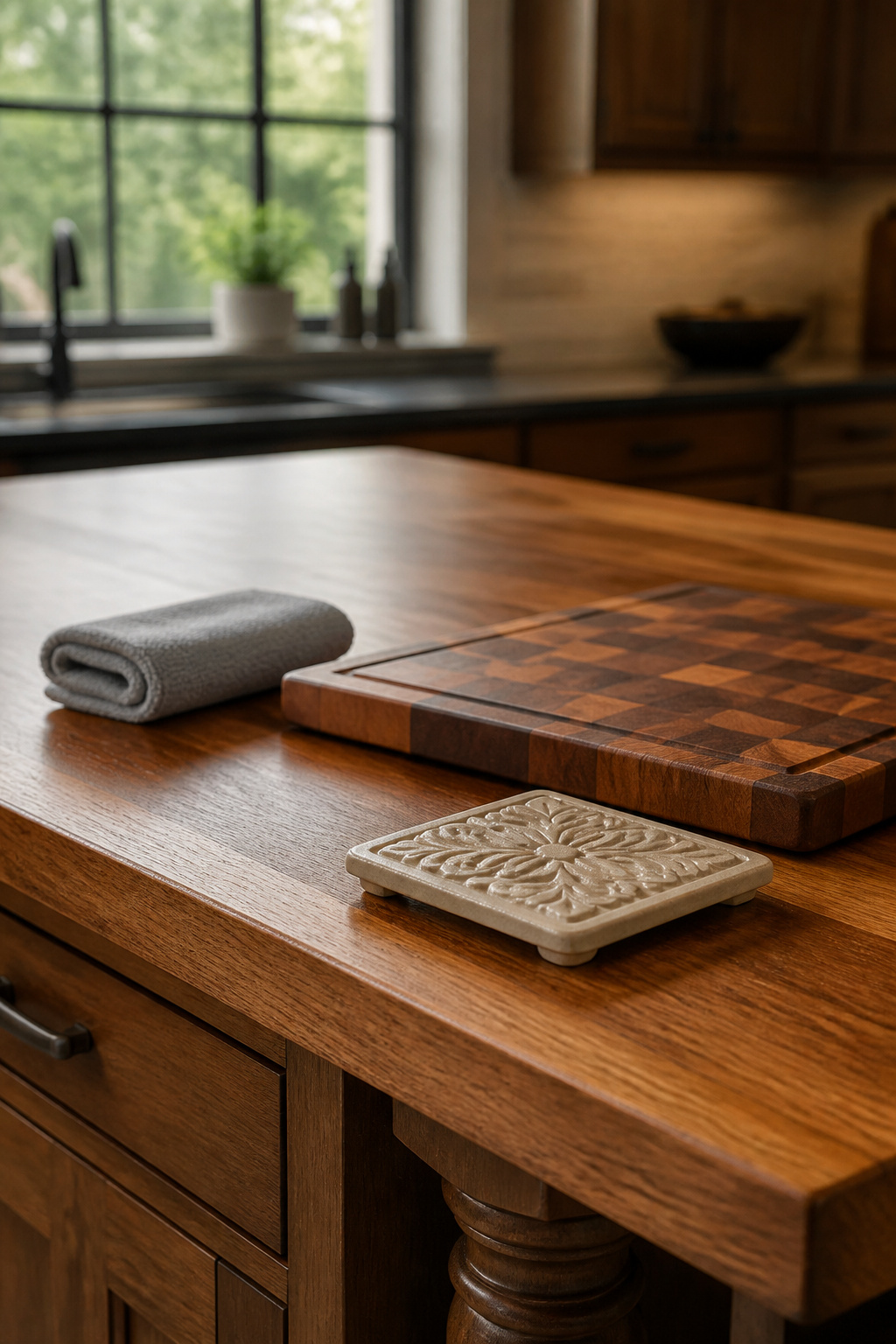
Proactive protection is always easier than reactive repair. Make a habit of using trivets and hot pads for pans and serving dishes, as direct heat can permanently damage the wood and its finish. Always use cutting boards for chopping; even the hardest woods will show knife marks over time. Coasters for glasses will prevent the dreaded water rings that can form from condensation.
These aren’t burdensome rules but thoughtful habits that quickly become second nature. I advise my clients to keep a collection of beautiful trivets—perhaps in cork, marble, or felt—in a nearby drawer. By making these protective items beautiful and accessible, they become a natural part of the culinary process.
18. Embracing Patina and Addressing Wear
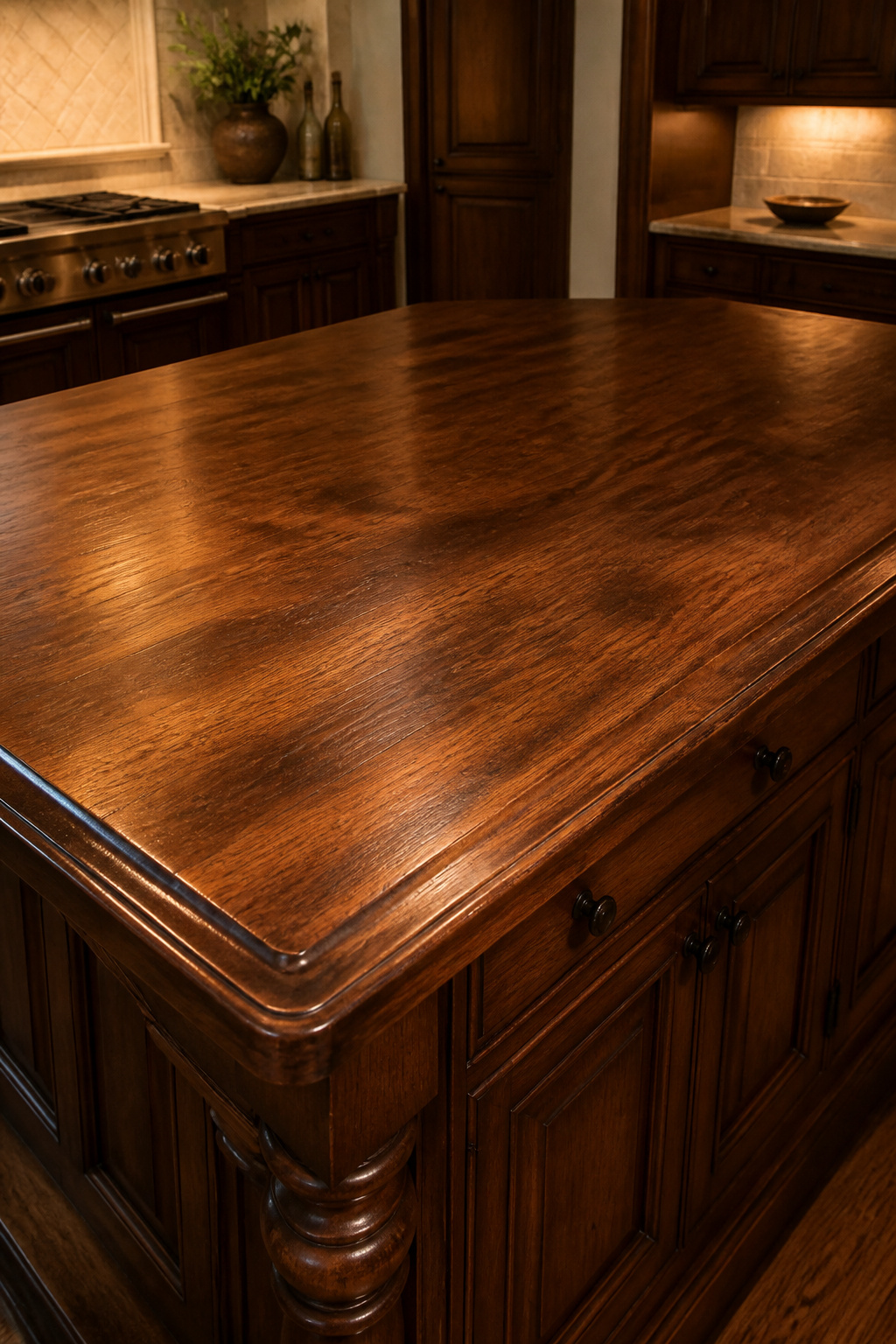
A well-loved wood surface will inevitably acquire small marks and signs of use over time. This is not damage; this is patina. It is the story of your home, and it should be embraced. The subtle softening of edges, the gentle deepening of color—these are the hallmarks of a piece that is truly part of the family.
That said, significant damage like a deep gouge or a large water stain may require attention. Minor scratches on oiled finishes can often be remedied by lightly sanding with very fine-grit sandpaper and reapplying oil. For more substantial repairs or issues with a sealed finish, it is always best to consult a professional furniture restorer who can make a seamless repair without compromising the integrity of the piece.
19. Future-Proofing for Evolving Needs
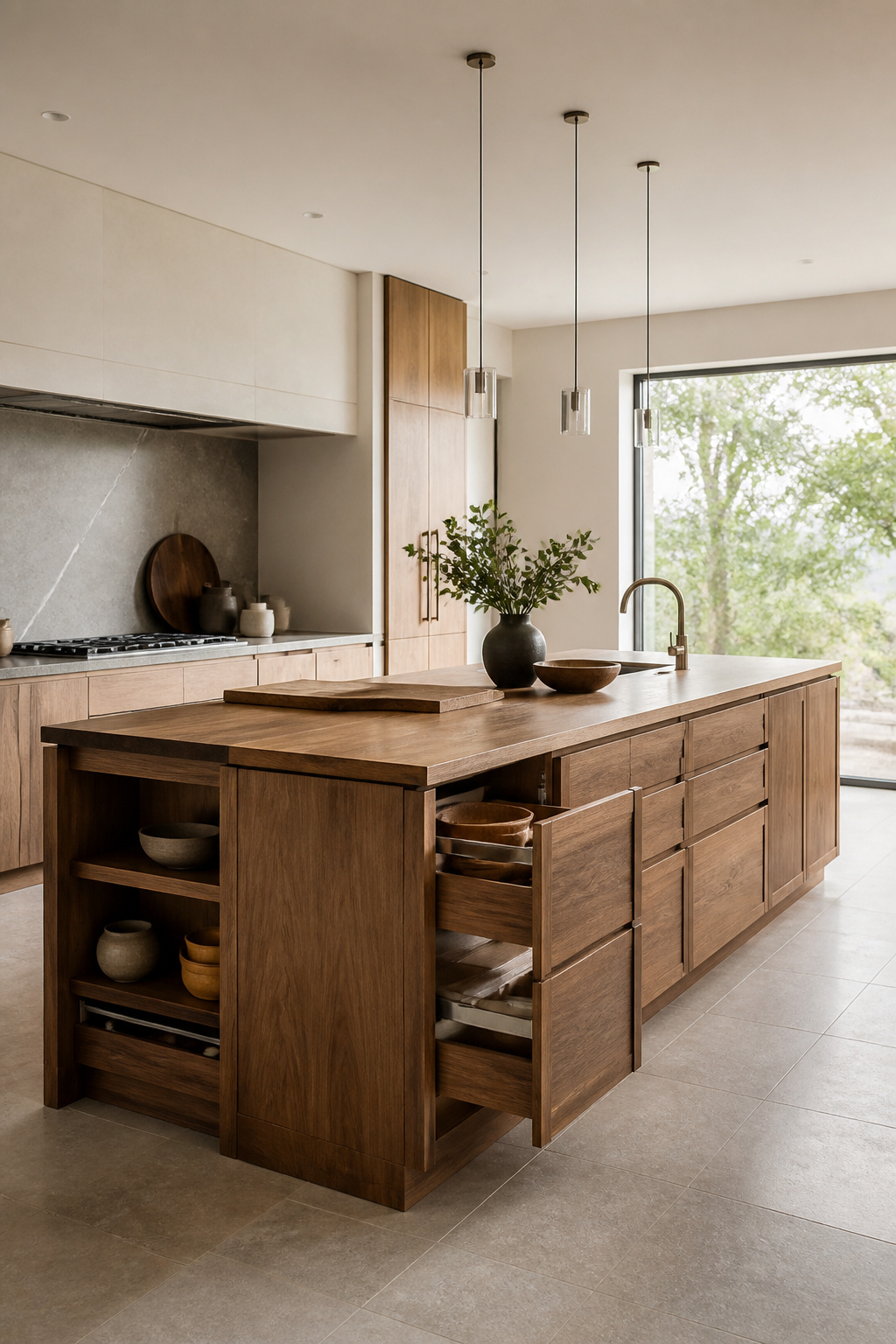
A truly timeless design is one that can adapt. When commissioning an island, think about your future needs. An island designed with flexible components, such as open shelving that can later be fitted with drawers, offers long-term versatility. Ensuring that electrical access is incorporated from the start allows for the addition of new small appliances down the road.
The beauty of solid wood is its capacity for renewal. Decades from now, if your tastes or the style of your kitchen changes, the island can be professionally sanded and refinished to give it a completely new life. This adaptability is perhaps its greatest strength, ensuring your investment remains relevant, valuable, and beloved for generations.
20. Engaging Professional Restoration for Renewed Splendor
After decades of faithful service, you may wish to give your island a comprehensive restoration. Engaging a professional furniture restorer is an investment in recapturing its original splendor. They can expertly address years of accumulated wear, carefully stripping away an old finish, repairing any imperfections, and applying a new, modern protective coat that readies it for the next chapter.
This process can be transformative, revealing the pristine, vibrant grain of the wood as if it were new. It is an act of stewardship, an affirmation of the island’s value, and a beautiful way to ensure this treasured centerpiece is passed down to the next generation in magnificent condition. It ensures the legacy of craftsmanship continues.
Conclusion
Throughout these twenty insights, a single truth emerges: a wood kitchen island at its finest is a living piece of architecture. It is born from a reverence for natural materials, shaped by the hands of a skilled artisan, and curated to become the undeniable heart of your home. It stands as a testament to the belief that the objects we live with should be both beautiful and meaningful, acquiring character with every passing year.
You are now equipped not just to select an island, but to understand its language—the quiet strength of its joinery, the warm glow of its finish, and the silent promise of its longevity. Use this knowledge to choose a piece that resonates deeply with your own vision of home. For when you invest in this level of quality and craftsmanship, you are doing more than simply furnishing a kitchen; you are creating a legacy.
Meta Description: Discover 20 expert insights on the luxury and craftsmanship of a wood kitchen island, from material sourcing and bespoke design to timeless preservation.